Paris' Best Baguette Tradition 2026: Champion Baker Revealed
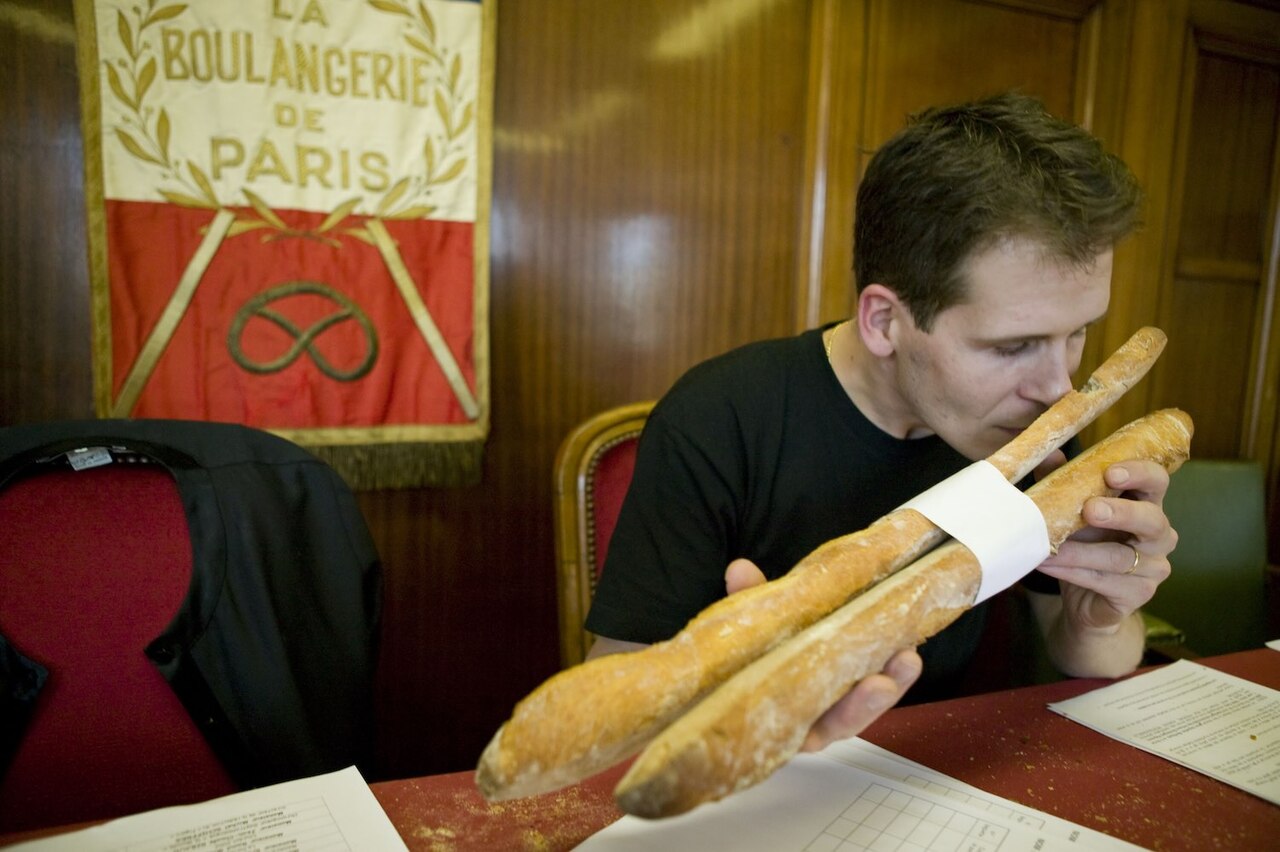
There are few aromas as universally comforting and distinctly French as that of a freshly baked baguette. It’s more than just bread; it's a daily ritual, a cornerstone of every meal, and a profound symbol of French culture. Each year, Parisians and gourmands worldwide eagerly anticipate the announcement of the "Grand Prix de la baguette de la Ville de Paris," a prestigious competition that crowns the city's finest artisan baker. In 2026, the moment arrived, and a new champion emerged, solidifying their place in culinary history and bringing renewed attention to the cherished prix baguette tradition.
While the triumph of a single baker celebrates the peak of artisanal skill, it also brings into focus the evolving landscape of this iconic staple. The cost of this everyday luxury, the very "prix baguette tradition," has become a point of discussion amid economic shifts, making the pursuit of perfection all the more poignant. Let's delve into the story of Paris' latest champion and explore the factors shaping the cost of this beloved French icon.
Sithamparappillai Jegatheepan: Paris' Champion Baker of 2026
The prestigious 33rd edition of the "Grand Prix de la baguette de la Ville de Paris" saw an impressive 143 bakers vying for the coveted title. After rigorous blind tastings and meticulous evaluation by a discerning jury, one name rose above the rest: Sithamparappillai Jegatheepan. His bakery, located in the vibrant 14th arrondissement on Rue Didot in the south of Paris, has now become a must-visit destination for anyone seeking the quintessential French baguette.
Jegatheepan, who took over his establishment in 2022, has quickly made his mark, mastering the delicate balance of crust, crumb, and flavour that defines a truly exceptional baguette. The criteria for judging are stringent, examining everything from the golden-brown crispness of the crust and the airy, irregular holes of the crumb, to the subtle nutty aroma and the lingering taste of quality flour and fermentation. His victory is not just a personal achievement but a testament to his dedication to the art of traditional French baking.
The accolades bestowed upon the champion baker are significant. Beyond the immense pride and recognition, Sithamparappillai Jegatheepan has earned the honour of supplying the French President's Élysée Palace with fresh baguettes every morning for a full year. This incredible exposure alone is priceless, but it's sweetened further by a generous prize of 4,000 euros. The media spotlight, both domestic and international, will undoubtedly draw legions of Parisians and tourists eager to experience a taste of the champion's work. While Jegatheepan claimed the top spot, the competition was fierce, with BS Nation and L’Ecrin Gourmand, both from the 12th arrondissement, securing second and third places respectively, highlighting the depth of baking talent across the capital.
The Enduring "Prix Baguette Tradition": More Than Just a Price Tag
Beyond the celebratory pomp of the competition, the everyday prix baguette tradition is a topic that resonates deeply with every French household. The baguette isn't just a food item; it's an emblem of French gastronomy, an indispensable part of daily life, from breakfast tartines to evening communal dinners. However, its cost has become a growing concern for many consumers, transforming what was once an undeniably affordable staple into something that, for some, borders on a minor luxury.
As of 2025, the average price of a 250g baguette in France has reached approximately 1.01 euros. While this figure might seem modest on its own, it marks a notable increase, particularly when viewed through the lens of recent inflationary pressures. This upward trend invites a closer look at the economic factors shaping the cost of this beloved bread, prompting questions about its accessibility and its place in French households as we move further into the decade. For a deeper dive into this shift, explore French Baguette Price: From Daily Staple to Luxury in 2025.
Unpacking the Cost: What Drives the "Prix Baguette Tradition"?
The price of a baguette isn't arbitrarily set; it's the culmination of a complex interplay of economic forces. Understanding these elements helps to demystify why this daily essential is becoming pricier.
A Historical Perspective on Baguette Prices
To truly grasp the current situation, it's insightful to look back. The cost of a baguette has been steadily climbing for decades, reflecting broader economic changes and inflation. Consider the following evolution:
- 1970: 0.12 euros
- 1980: 0.25 euros
- 1990: 0.55 euros
- 2000: 0.75 euros
- 2020: 0.90 euros
- 2025: 1.01 euros (average)
This data reveals a stark reality: the price of a baguette has multiplied by almost tenfold since 1970. This consistent upward trajectory underscores how deeply inflation and rising costs of living have impacted even the most basic items in French daily life.
Key Factors Influencing Your Daily Bread
Several critical components contribute to the final prix baguette tradition you pay at the boulangerie:
- Cost of Raw Materials: Flour is the heart of a baguette, and its price is highly susceptible to global market fluctuations. Factors like weather patterns affecting grain harvests, geopolitical events, and international agricultural policies can significantly impact the cost of wheat. When grain prices rise, so does the cost of flour for bakers, which directly translates to a higher production cost.
- Baker's Salaries and Labor Costs: The art of baking a perfect baguette is a skilled profession, demanding experience, precision, and dedication. Increases in minimum wages, social charges, and the need to offer competitive salaries to retain talented artisan bakers directly influence the overall operational costs of a bakery. A well-compensated team ensures quality and consistency.
- Operating Expenses: Beyond ingredients and labor, bakeries face a myriad of other expenses. Energy costs, particularly for running large, hot ovens for hours on end, have seen dramatic increases. Rent for prime locations, especially in urban centers like Paris, can be exorbitant. Equipment maintenance, insurance, and packaging also add to the final price.
- Taxes and Fiscal Policies: Various national and local taxes, including VAT (Value Added Tax), can influence the final retail price of baked goods. Government regulations and fiscal policies play a role in shaping the economic environment for small businesses like boulangeries.
For a comprehensive breakdown of these intricate financial dynamics, read Why Your Baguette Costs More: Inflation, Wages & Regional Prices.
Navigating Regional Variances: Where to Find Your Ideal Baguette
While the national average provides a general benchmark, the prix baguette tradition can vary significantly depending on where you are in France. Urban hubs, particularly those with higher operating costs and stronger tourist demand, often see higher prices.
Here’s an overview of average baguette prices in some major French cities:
- Paris: 1.19 euros
- Strasbourg: 1.19 euros
- Lyon: 1.05 euros
- Bordeaux: 1.02 euros
- Marseille: 0.98 euros
As evident, cities like Paris and Strasbourg command the highest prices, reflecting higher rents, wages, and potentially a premium for the urban experience. Conversely, cities like Marseille offer a slightly more economical option. For consumers, this regional disparity means that while seeking the lowest price is possible, it often comes with geographic considerations.
Practical Tip for Baguette Lovers: When searching for a great baguette, don't just focus on the price. Look for bakeries that display the "Fait Maison" (homemade) label, which guarantees the bread is made on-site from scratch. Observe if there's a queue – a long line is often a good indicator of quality and local appreciation. And remember, sometimes paying a few extra cents for a truly exceptional baguette, like those crafted by champions such as Sithamparappillai Jegatheepan, is a worthwhile investment in a delightful culinary experience.
Conclusion
The announcement of Paris' Best Baguette Tradition 2026 champion, Sithamparappillai Jegatheepan, is a vibrant reminder of the passion and skill embedded in French baking culture. It highlights the enduring pursuit of perfection in a seemingly simple loaf, bringing well-deserved recognition to the artisan behind the counter. Yet, this celebration unfolds against a backdrop of evolving economic realities. The rising prix baguette tradition underscores the broader challenges of inflation and increasing operational costs, turning a daily essential into a subject of economic discourse.
Despite these shifts, the baguette remains an unshakeable pillar of French identity and daily life. Whether sourced from a celebrated Parisian champion or a local neighborhood boulangerie, its role in sharing meals, fostering conviviality, and representing the very soul of French gastronomy remains undisputed. The tradition endures, evolving with the times, but always upholding its place at the heart of the French table.